Dubai-based founder building the next generation of tax software for global businesses. I started in the world of accounting and finance, built a successful tax and advisory firm (Alpha Pro Partners), and then turned those real-world pain points into a product: Tax Star, an AI-powered platform designed to make tax filing simpler, faster, and more accurate.
What Documents to Keep for Tax Audits

September 23, 2026


Content
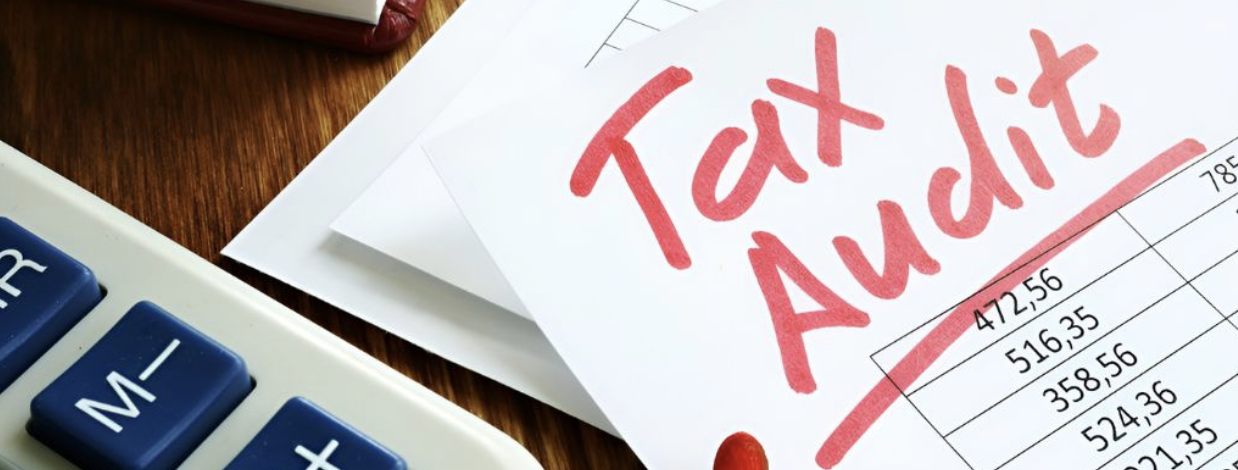
Running a business in the UAE feels exciting, but record keeping often ends up pushed to the side. The focus naturally goes to clients, sales, and daily work. Then the thought of a tax audit appears, and everything suddenly feels urgent. The truth is, a tax audit becomes far less stressful when documents are kept in a calm, simple system.
An audit is basically a review. The Federal Tax Authority looks at your VAT and corporate tax filings and checks if the numbers match your real activity. That is all. When documents are ready, the review moves quickly. When files are scattered, the process takes longer and feels heavier.
This guide walks through the documents a business should keep for VAT and corporate tax in the UAE. It also explains how long to store them and how to organise everything in a way that feels clear instead of overwhelming.
Why Good Records Matter
Good documentation helps more than compliance. It gives a business owner a clear view of the numbers each month. It supports better decisions. It reduces pressure at quarter end. It brings a sense of control that is helpful during busy seasons.
When documents are organised, common worries disappear.
You can answer questions from banks, partners, or investors without scrambling.
You can check sales or expenses without guessing.
And you can walk into a review knowing nothing is missing.
Understanding Tax Audits in the UAE
A tax audit happens when the Federal Tax Authority reviews your activity. The purpose is simple. The FTA checks whether VAT and corporate tax filings match your real transactions. The review may focus on a single period or several.
During this process, the FTA may look at invoices, receipts, ledgers, contracts, payroll files, and bank statements. They want to see clear support for the numbers that were submitted.
Some audits come with notice. Others start without prior communication. This is why steady, year round documentation helps.
How Long Documents Must Be Kept
The UAE requires all tax and accounting records to be kept for at least seven years from the end of the tax period. This includes VAT records, corporate tax files, contracts, payroll information, ledgers, bank statements, and asset registers.
For long term contracts or large assets, it helps to keep those files even longer. A clear archive protects the business in case of questions in the future.

Documents Needed for VAT Audits
VAT reviews check whether output VAT and input VAT were recorded correctly. Clear documentation helps the reviewer connect each number to actual activity.
Sales Records
Sales must be supported with proper documents.
Each sale should have a tax invoice that reflects VAT rules in the UAE. The FTA may compare these with your VAT returns to confirm accuracy.
Keep documents such as customer tax invoices, credit notes, sales ledgers, export papers, and customer agreements. These show how revenue was created during the period.
Purchase and Expense Records
Expenses that include input VAT must be supported with valid receipts or tax invoices. A missing document may affect the input VAT claim.
Keep supplier tax invoices, expense receipts, supplier notes for returns, import papers, and payment confirmations. These show that purchases are real and linked to business activity.
VAT Returns and Computations
Each VAT period should have a small pack of supporting information.
This usually includes a copy of the submitted VAT return, the computation worksheets, the payment receipt, and a short reconciliation that links the return to your ledgers.
These files show how VAT was calculated and help answer any questions that appear during review.
Bank Activity
The FTA may compare VAT amounts with real bank movement. Bank records help confirm that revenue and expenses were real transactions.
Keep monthly bank statements, card settlement reports, and payment confirmations. This helps explain money movement in a clear way.
Stock and Inventory
Businesses that sell goods should keep inventory records including stock counts and movement information.
These details help the FTA understand how stock levels changed during the VAT period.

Documents Needed for Corporate Tax Audits
Corporate tax reviews examine how taxable profit was calculated. Clear records help the reviewer understand your activity without delay.
Financial Statements
Financial statements play a central role in corporate tax reviews. They show revenue, expenses, assets, and liabilities for the period.
Keep annual statements, management accounts, the trial balance, the general ledger, and adjustment schedules for tax purposes.
Revenue and Expense Support
Corporate tax reviews look closely at income and expense entries. The reviewer checks whether the numbers match your real activity.
Keep detailed income schedules, expense reports with receipts, customer contracts, supplier invoices, and payment confirmations.
Payroll and Employee Records
Salary expenses form a large part of business spending. These must be supported with proper documentation.
Keep payroll registers, WPS reports, staff contracts, reimbursement claims, and end of service calculations.
Fixed Assets
Depreciation forms part of the corporate tax calculation. Asset records help support depreciation amounts and ownership.
Keep the fixed asset register, purchase invoices, disposal documents, and lease agreements.
Corporate Tax Computations
Corporate tax files should include the calculation sheets and any supporting notes. Keep filed corporate tax returns, computation worksheets, deduction schedules, and any communication with the FTA.
General Accounting Records Needed for Both Audits
Some records support both VAT and corporate tax. These files help complete the picture of your activity.
Bank Reconciliations
Bank reconciliations show that the numbers in your books match the activity in your bank accounts. These reports bring confidence that your numbers are accurate.
Keep monthly reconciliation reports and any adjusting journal entries.
Contracts and Agreements
Many accounting entries come from agreements. Contracts help explain the nature and timing of revenue or expenses.
Keep lease agreements, supplier contracts, loan documents, customer agreements, and shareholder contracts.
Supporting Notes and Emails
Some transactions need a written explanation. A short note or email from the time of the transaction can help answer questions during a review.
Keep useful correspondence with suppliers, customers, and advisors.

Storing and Organising Your Records
Good storage helps more than anything else. Digital storage is common now since documents are easy to find and safe from damage.
A simple storage routine helps:
- Scan documents regularly
- Use cloud folders with clear names
- Keep backup copies
- Assign access rights to key staff only
Cloud accounting services make it easier to attach receipts and invoices directly to transactions, which saves a lot of time later.
A clear folder structure brings order. Many SMEs create main folders for VAT, corporate tax, payroll, contracts, and bank records.
Inside each folder, subfolders are created by month or quarter. This helps during reviews when the FTA asks for specific periods.
Need help setting up an organised record keeping system
Our team at Alpha Pro Partners can create a clear structure that keeps your VAT and corporate tax documents ready for review at all times.
Preparing for an Audit
If the FTA notifies you about a review, it helps to take a calm and steady approach.
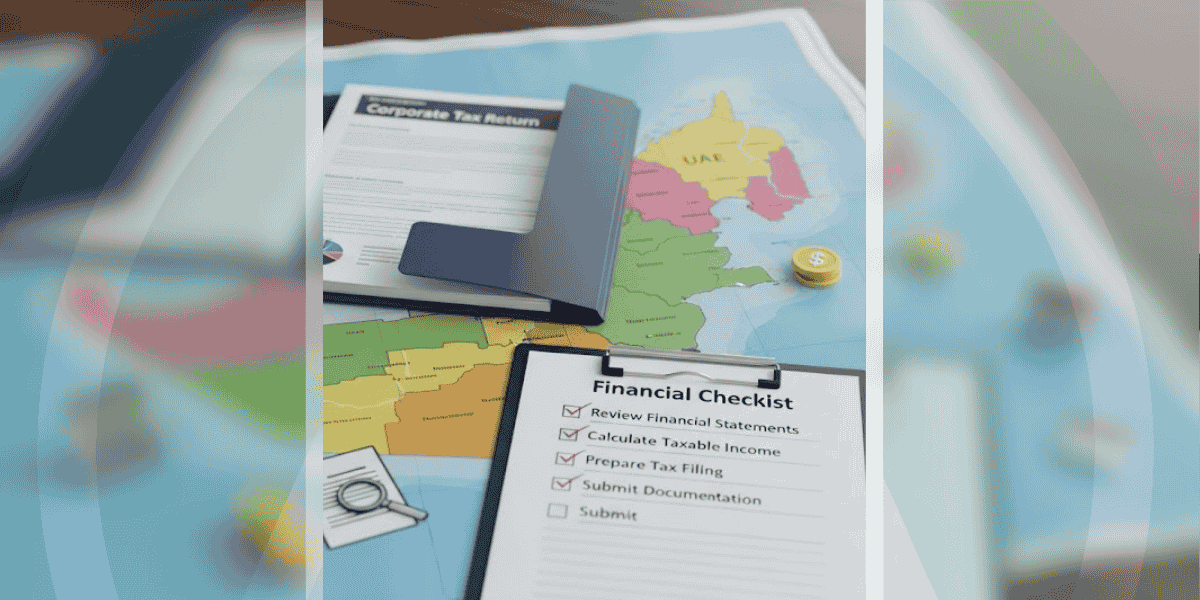
A simple checklist can help:
- Review VAT and corporate tax returns
- Confirm invoices and receipts match the ledgers
- Check bank reconciliations
- Prepare explanations for anything unusual
- Gather contracts for large transactions
- Make sure staff members who know the numbers are available
This preparation helps the review move smoothly.
Common Mistakes During Audits
Many SMEs make the same mistakes during reviews. Knowing these in advance helps you avoid them.
Some of the more common ones include missing invoices, unclear VAT entries, incomplete records, mismatched numbers, and incorrect treatment of staff costs.
Most of these issues can be avoided with regular reviews and a steady filing system.
Benefits of Staying Audit Ready
Staying ready brings more than peace of mind. It improves the way you manage your business.
Good records help during budgeting, cash flow planning, and conversations with banks. They also reduce end of year pressure and help you understand your real financial position.
When documentation is clear, audits become simple rather than stressful.
Best Practices for UAE SMEs
A few steady habits can keep your records tidy all year.
- Use cloud accounting connected to your bank
- Save scanned copies of receipts
- Review VAT and corporate tax filings early
- Check records at the end of each month
- Train staff to keep documents organised
These habits bring more consistency and reduce last minute pressure.
Conclusion
Record keeping does not need to feel heavy. With a simple routine and a clear storage system, a business can stay ready for review at any time. Most issues arise from missing files, not from complicated mistakes. A steady approach prevents that.
If you want help building a record keeping system or need support getting ready for a VAT or corporate tax audit, the team at Alpha Pro Partners can guide you and make the process easier.
Frequently Asked Questions
How long must documents be kept in the UAE
Businesses must keep records for at least seven years from the end of the tax period.
Are digital copies accepted
Yes. Digital files are fine as long as they are clear and complete.
What details must be on a VAT invoice
A VAT invoice needs the TRN, the invoice date, the invoice number, a description, the VAT rate, and the amount.
What if a receipt is lost
Try to get a new copy from the supplier. Without it, the VAT claim may not be accepted.
What documents support corporate tax
Financial statements, ledgers, contracts, payroll records, and tax computations.
Do small businesses face tax audits
Yes. Any VAT or corporate tax registered business can be reviewed.
Why are payroll records needed
They support salary expenses and must be kept for seven years.
Does cloud accounting help
Yes. It keeps records tidy, easy to search, and simple to share during a review.
What if bank numbers do not match the books
A reconciliation is needed. It explains differences and adjusts the records.
Should a business use outside help
A bookkeeping service for small businesses helps keep documents accurate and ready for review.
Whether it's tax setup, compliance, or accounting and bookkeeping we will be here to support your UAE tax journey!
.webp)
%20(1).webp)
.webp)
.webp)
.webp)






















.webp)
.webp)
.webp)
.webp)
.webp)
.webp)
.webp)






.webp)
.webp)

.png)
.png)
.png)
.png)
.png)

.png)
.png)



.png)
.png)


.jpg)


.jpg)


.png)
.png)



.png)