Dubai-based founder building the next generation of tax software for global businesses. I started in the world of accounting and finance, built a successful tax and advisory firm (Alpha Pro Partners), and then turned those real-world pain points into a product: Tax Star, an AI-powered platform designed to make tax filing simpler, faster, and more accurate.
10 Common Bookkeeping Mistakes UAE Businesses Make

August 2, 2026


Content
Bookkeeping often slips through the cracks for many small businesses in the UAE. The day gets filled with sales calls, supplier messages, staff updates, and urgent payments. By the time the day ends, updating the books can feel like a task that can wait until later.
The problem is that “later” usually becomes weeks or months.
That is where mistakes build up. Cash flow becomes hard to read. VAT returns become a rush. Corporate tax records start to fall behind. Decisions feel harder because the numbers are unclear.
The good news is that most bookkeeping issues come from the same familiar habits. Once these habits are spotted, they can be replaced with simple routines that keep the books healthy all year.
Here are ten of the most common bookkeeping mistakes seen in UAE SMEs and the steps that help avoid them.
1. Mixing Personal and Business Expenses
Using the same card for both personal and business spending may feel easy at the moment, but it creates confusion later. When the time comes to review expenses, it becomes tough to remember what was related to the company and what was not.
Why it becomes a problem
- Cash flow reports become unclear
- Expense claims no longer match actual business activity
- VAT records become unreliable
A simple way to fix it
- Use a separate business bank account
- Connect that account to cloud accounting services for accurate tracking
- Keep personal spending completely outside business statements
Clear separation makes every other step in bookkeeping smoother.
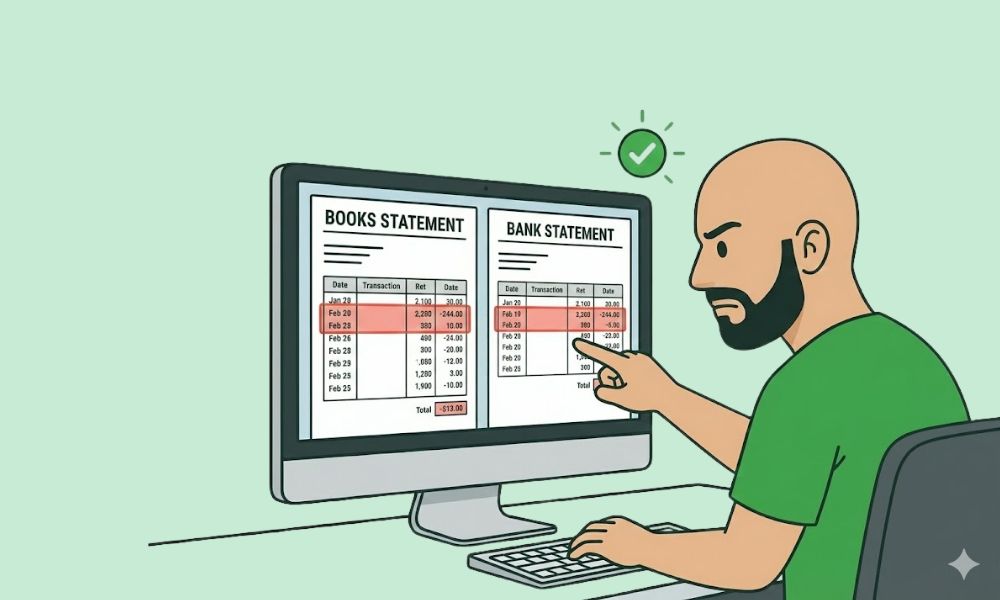
2. Skipping Bank Reconciliation
Recording revenue and expenses is not enough. Bank reconciliation is what confirms that the numbers in the accounting system match the numbers in the bank.
In many UAE SMEs, missed deposits, duplicated charges, and unrecorded fees appear once reconciliation starts. These gaps grow when left unchecked.
Why it becomes a problem
- Cash balances become misleading
- VAT filings may not match actual transactions
- Finding old errors becomes time-consuming
A simple way to fix it
- Reconcile bank accounts weekly or monthly
- Use tools like Xero accounting services with bank feeds for automatic updates
This one habit prevents a lot of stress later.
3. Not Keeping Digital Copies of Receipts and Invoices
Paper documents fade, get lost, or stay in drawers until VAT filing time. UAE businesses must keep financial records for at least five years, and digital records are the easiest way to stay compliant.
Why it becomes a problem
- Missing receipts reduce input VAT claims
- Audits become difficult without supporting evidence
- Expense categories become harder to verify
A simple way to fix it
- Use cloud accounting apps to capture receipts instantly
- Upload photos of invoices directly into the accounting platform
- Store everything in an organised digital folder system
This keeps documentation clean and accessible whenever needed.
4. Delaying Data Entry
Some business owners update their books once a month or even once a quarter. By then, memory fades, receipts go missing, and important details are forgotten.
Why it becomes a problem
- Financial reports become inaccurate
- VAT deadlines become rushed
- Decision-making becomes a guess
A simple way to fix it
- Record expenses and revenue daily or weekly
- Use cloud accounting services to import transactions automatically
- Review transactions in small batches instead of waiting for month-end
Frequent updates keep the numbers current and easy to understand.
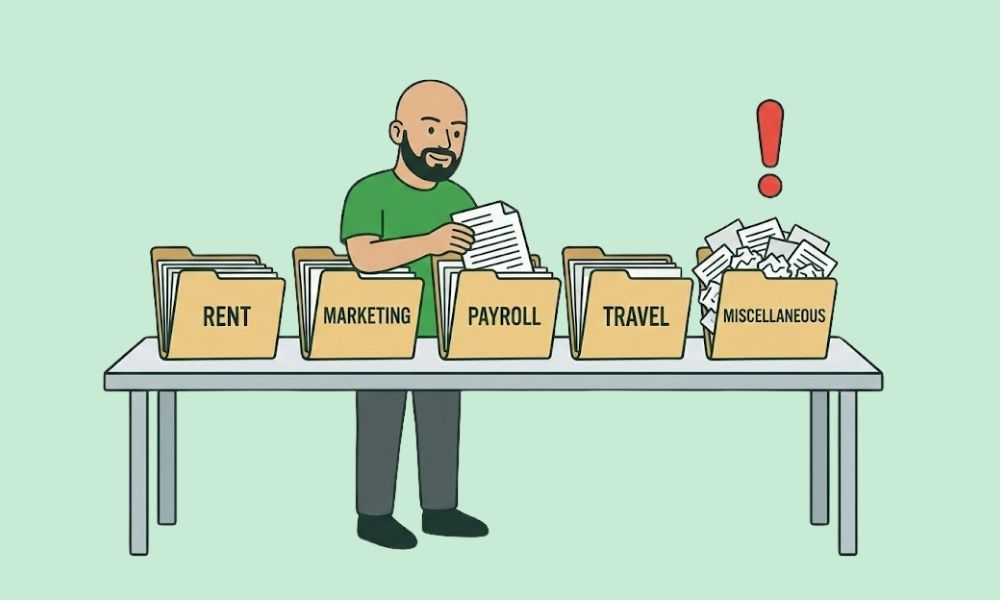
5. Poor Categorisation of Expenses
Many SMEs place a large portion of expenses under “General” or “Miscellaneous.” This hides spending patterns that matter for budgeting, VAT treatment, and corporate tax.
Why it becomes a problem
- Reports stop showing where money is really going
- Some expenses may be treated incorrectly for VAT
- Opportunities to reduce costs become harder to find
A simple way to fix it
- Use a clear, simple chart of accounts
- Categorise expenses by purpose such as marketing, supplies, rent, or travel
- Use cloud tools like Xero bookkeeping services to keep categories consistent
Better categorisation brings more meaningful insights.
Need help building a simple bookkeeping routine that fits the way your UAE business works? You can always reach out to us at Alpha Pro Partners, and we will help you set things up in a clean, stress-free way.
6. Not Reviewing Accounts Regularly
Looking at the accounts once a year leaves too much room for mistakes. Monthly reviews help spot issues quickly, while they are still easy to fix.
Why it becomes a problem
- Errors remain hidden for months
- Cash flow issues appear without warning
- VAT and corporate tax records drift away from reality
A simple way to fix it
- Set one day each month to review reports
- Look at profit and loss, balance sheet, and cash flow
- Compare figures to previous months to catch unusual numbers
This small habit keeps financial information fresh and reliable.
7. Relying Only on Manual Processes
Manual bookkeeping feels familiar, but it demands time and increases the chance of mistakes. Spreadsheets are helpful, but they cannot offer real-time updates or automated checks.
Why it becomes a problem
- Human error is more common
- Financial reports become delayed
- Staff spend more time on data entry
A simple way to fix it
- Move to cloud accounting platforms
- Use automatic bank feeds
- Generate monthly reports with a few clicks
Automation creates more space for running the business instead of managing spreadsheets.
8. Ignoring Petty Cash Tracking
Petty cash often feels too small to worry about, but the small amounts add up quickly. When these transactions are not recorded, the books become inaccurate.
Why it becomes a problem
- Cash balances stop matching reality
- Expense totals become unreliable
- VAT claims may be incomplete
A simple way to fix it
- Assign one person to handle petty cash
- Keep receipts for every small purchase
- Update petty cash entries weekly
This helps keep even the smallest transactions organised.

9. Not Monitoring Supplier and Customer Balances
Some businesses focus heavily on revenue but forget to track who still owes money or which suppliers are waiting for payment. This leads to delays and confusion.
Why it becomes a problem
- Late payments damage supplier relationships
- Unpaid invoices hurt cash flow
- Forecasting becomes less accurate
A simple way to fix it
- Review aged payables and receivables monthly
- Send friendly reminders to overdue customers
- Keep communication open with suppliers about expected payment dates
Healthy relationships help operations run smoothly.
10. Avoiding Professional Review or Support
Some SMEs handle bookkeeping internally even when transactions grow. Without periodic checks, errors continue unnoticed, and correcting them later becomes much harder.
Why it becomes a problem
- VAT or corporate tax filings may contain mistakes
- Reports may not reflect the true financial position
- Fixing old errors often costs more than avoiding them
A simple way to fix it
- Arrange periodic reviews with accounting firms in Dubai
- Get an external set of eyes on the books
- Use outsourced accounting services uae businesses rely on for accuracy
A fresh review keeps data clean and compliant.
Conclusion
Bookkeeping mistakes happen to every business. The key is spotting them early and replacing old habits with simple, steady routines. Clear documentation, regular reviews, accurate categorisation, and cloud accounting make a noticeable difference. With the right tools and support, bookkeeping becomes a smooth part of running a business instead of something stressful.
Accurate records also prepare your business for VAT filing, corporate tax, and conversations with banks or partners. Good numbers bring confidence, clarity, and better decisions.
If you want your bookkeeping to stay organised all year without the usual stress, our team at Alpha Pro Partners can guide you through setup, monthly reviews, and cloud accounting tools that keep everything running smoothly.
FAQs
What is the most common bookkeeping mistake UAE businesses make?
The most common mistake is mixing personal and business spending. It makes cash flow unclear and leads to inaccurate reports.
How often should bank reconciliation be done?
Weekly reconciliation gives the cleanest results, although monthly works for companies with lighter activity.
Are cloud accounting tools helpful for small businesses?
Yes, cloud accounting services simplify data entry, store receipts, and keep records updated throughout the month.
How can a business shift from spreadsheets to cloud accounting?
Choose a platform like Xero bookkeeping services, connect the bank, import opening balances, and begin recording new entries digitally.
Why do missing receipts create problems for VAT?
VAT claims require evidence. Missing receipts reduce the amount that can be reclaimed and weaken documentation.
How does petty cash impact financial accuracy?
Unrecorded petty cash creates gaps in cash balances and makes expense totals unreliable.
What helps SMEs manage customer late payments?
Regular review of receivables and friendly reminders keep cash coming in on time.
Can a business handle bookkeeping internally?
It can, but periodic review from accounting firms in Dubai helps keep records accurate and compliant.
How does bookkeeping link to corporate tax?
Corporate tax filings rely on accurate profit calculations. Mistakes in expenses or receipts affect taxable income.
What is the benefit of outsourcing bookkeeping?
Outsourced accounting services use companies to reduce errors, save time, and keep books ready for VAT and corporate tax.
.webp)
%20(1).webp)
.webp)
.webp)
.webp)

























.webp)
.webp)
.webp)
.webp)


.png)
.png)



.png)